Social Media Guide
Jan 1, 2026
How Much Does a Million Views on YouTube Pay?
Learn how much YouTube pays for one million views, how ad revenue actually works, and why earnings can vary drastically depending on content type, audience, and watch time.
Jump To
How YouTube Pays Creators
YouTube pays creators through its Partner Program using ad revenue generated from videos. When ads are shown on a video, advertisers pay YouTube, and a percentage of that revenue is shared with the creator.
Creators typically receive 55% of ad revenue, while YouTube keeps the remaining 45%. Payments depend on how many ads are shown, how long viewers watch, and how much advertisers are willing to pay for that audience.
Revenue is measured using two main metrics: CPM (cost per thousand ad impressions) and RPM (revenue per thousand views).
How Much 1 Million Views Pays on Average
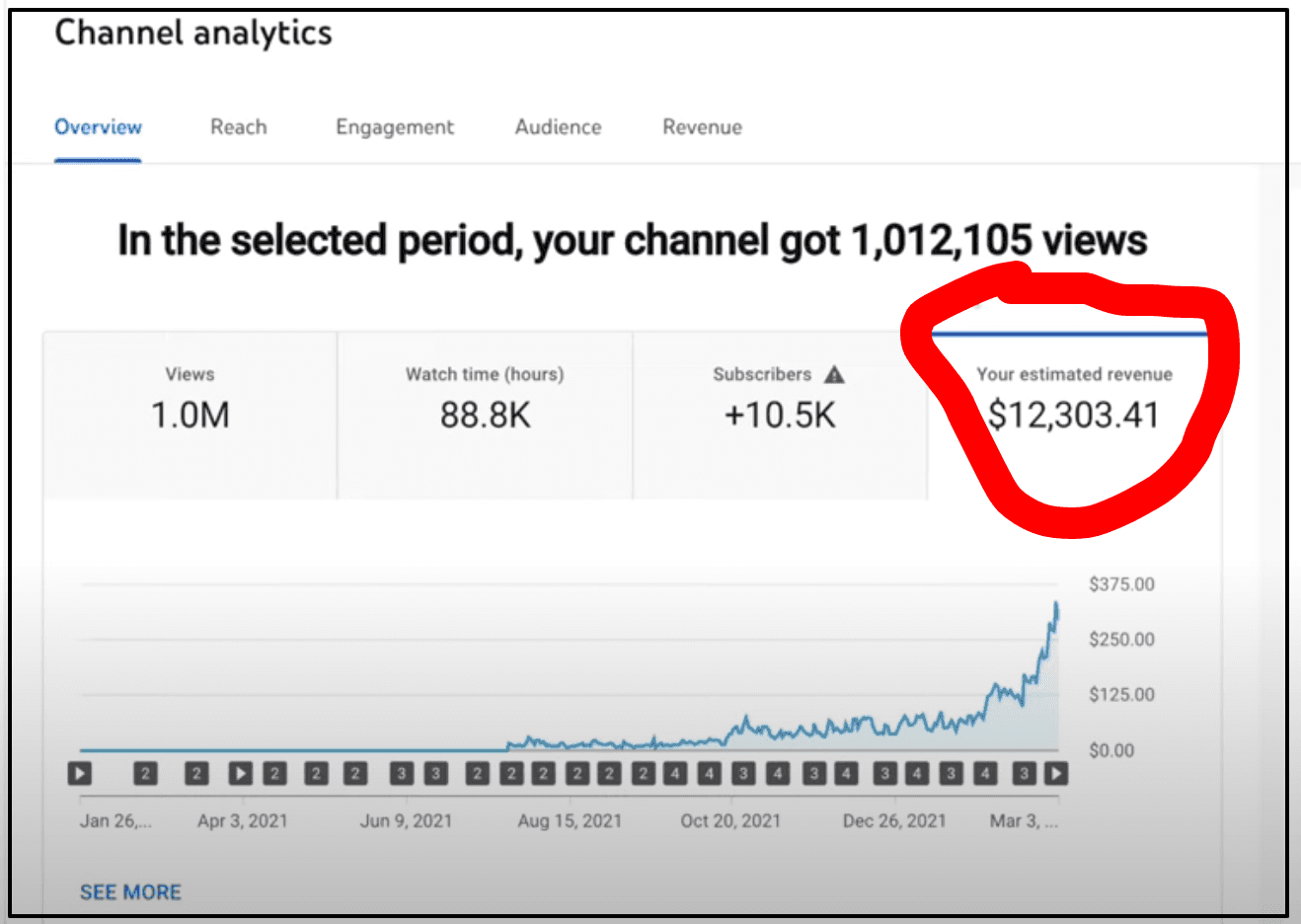
On average, 1 million views can earn anywhere from $1,000 to $10,000, depending on several factors.
For many creators, a typical range falls between $2,000 and $5,000 per million views. However, this number can be significantly higher or lower depending on ad demand, video length, and audience demographics.
Highly monetized niches such as finance, software, and business often earn more, while entertainment or viral content tends to earn less per view.
Why Some Videos Earn More Than Others
Not all views are worth the same. Advertisers pay more to reach certain audiences, especially viewers in countries like the United States, Canada, or the United Kingdom.
Videos that attract viewers who watch longer, engage more, or watch multiple ads tend to earn higher revenue. Longer videos also allow for mid-roll ads, which can significantly increase total earnings.
Content type also matters. Educational, financial, and business-focused videos generally earn higher ad rates than general entertainment or viral clips.
How Watch Time Affects Earnings
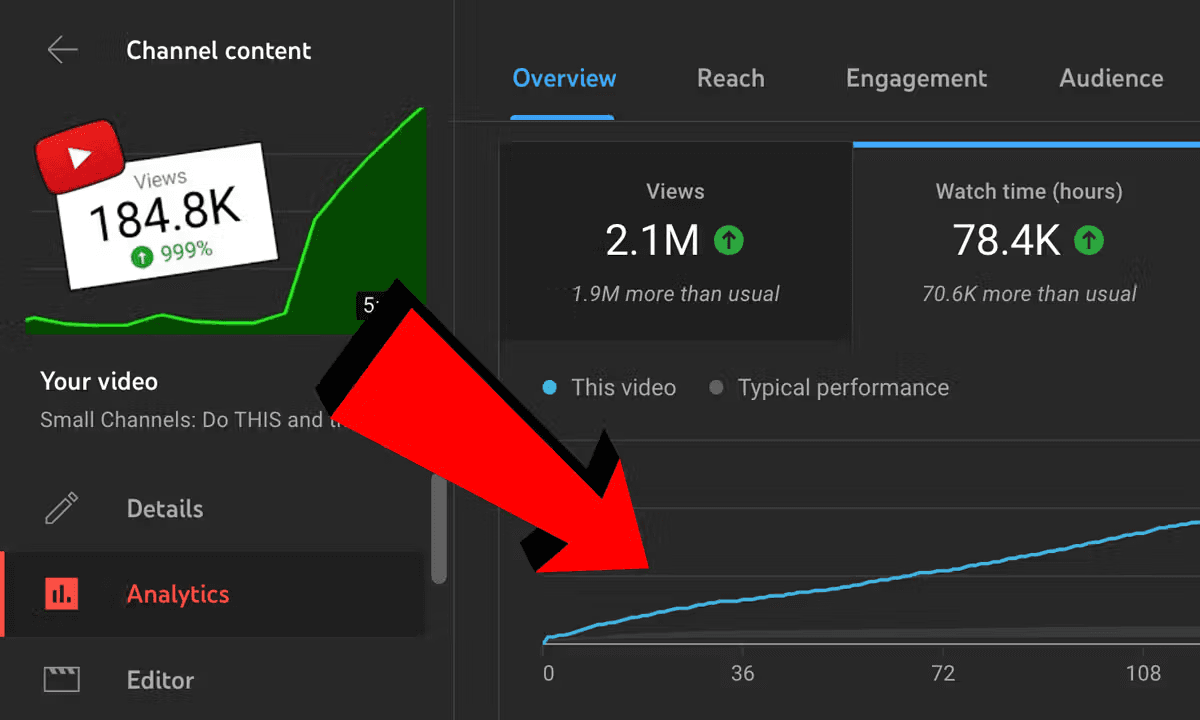
Watch time plays a major role in how much money a video makes. The longer viewers stay on a video, the more ads YouTube can display, increasing overall revenue.
High watch time also signals to YouTube’s algorithm that the content is valuable, which can lead to more recommendations and additional views. This creates a compounding effect where longer watch times result in higher earnings and greater reach.
Creators who structure videos to maintain attention tend to see much higher RPMs than those who rely on short or low-retention content.
How Niche and Audience Location Change Payouts
Audience location has a major impact on earnings. Viewers from countries with higher advertising budgets, such as the United States, Canada, Australia, and Western Europe, generate higher ad revenue.
In contrast, views from regions with lower ad spend typically generate lower payouts. The same video can earn significantly different amounts depending on where viewers are located.
Niches like finance, technology, and education often pay more because advertisers in those industries are willing to spend more per click or impression.
Realistic Earnings Expectations
While some creators earn tens of thousands of dollars from a single video, most channels earn more modest amounts. Consistent uploads, strong audience retention, and niche focus tend to matter more than viral success.
For many creators, YouTube income becomes meaningful when combined with sponsorships, affiliate marketing, or product sales rather than relying on ad revenue alone.
FAQ
How much does YouTube pay per 1,000 views?
Most creators earn between $2 and $10 per 1,000 views, depending on niche and audience.
Can a video with 1 million views make $10,000?
Yes, but usually only in high-paying niches with strong viewer engagement.
Do Shorts pay the same as long videos?
No. Shorts use a different revenue model and typically pay much less per view.
Is YouTube income consistent month to month?
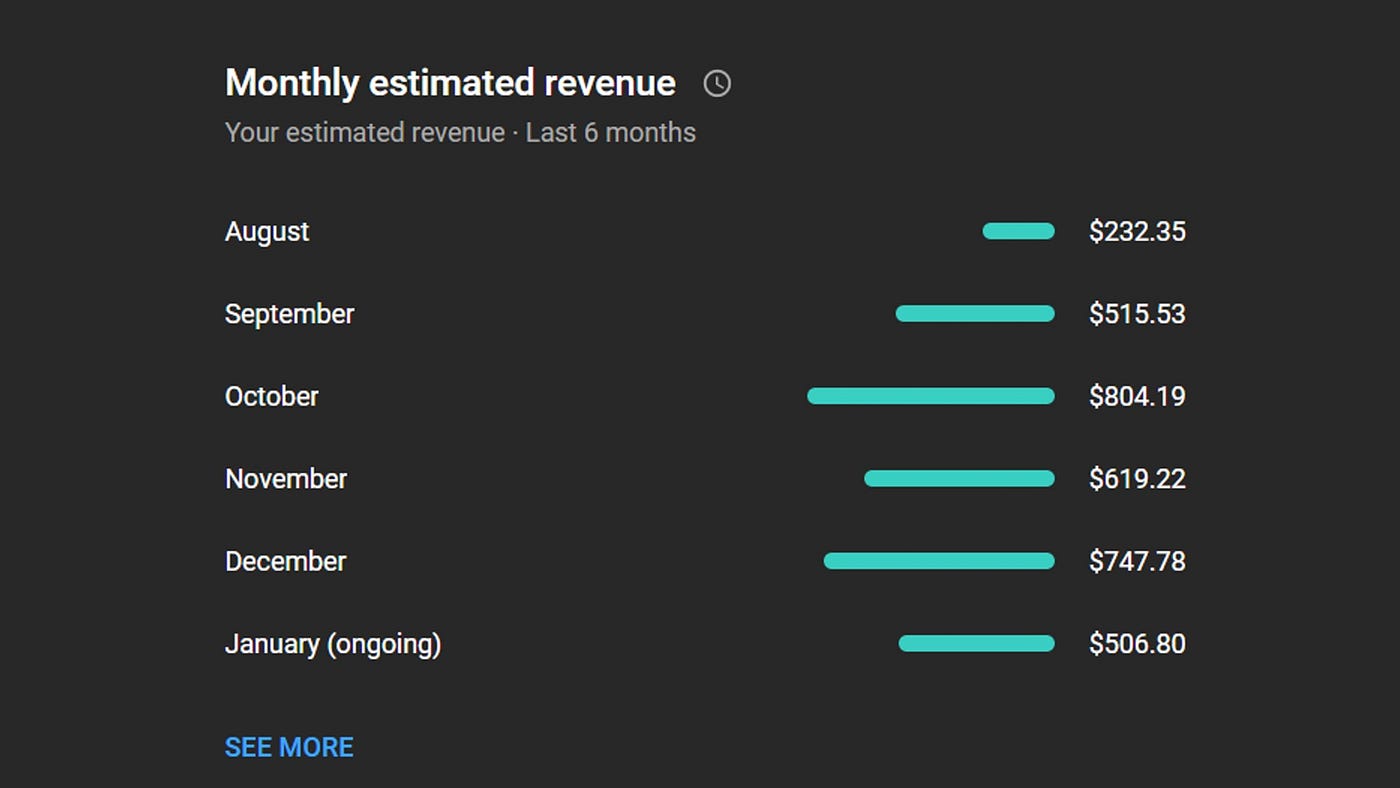
No. Earnings fluctuate based on seasonality, ad demand, and viewer behavior.