Social Media Guide
Jan 29, 2026
What Makes a Post Go Viral on X
Learn the main factors that cause posts to go viral on X, including engagement signals, timing, content structure, and how the algorithm amplifies reach.
Jump To
How Virality Works on X
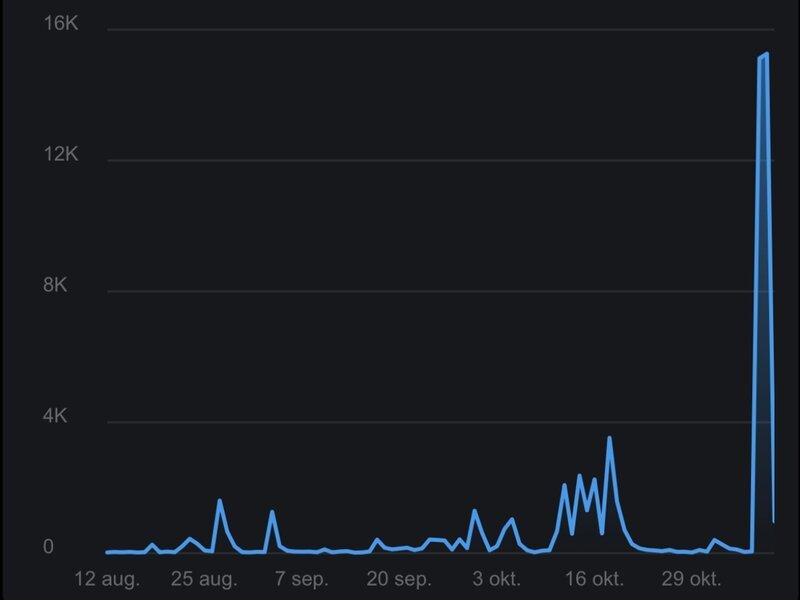
Virality on X (Twitter) is driven by how quickly a post generates interaction, not by how many followers the author has. The platform tests posts with a small group of users and expands distribution if engagement is strong.
Unlike other platforms, X places heavy emphasis on conversation. Posts that encourage replies and profile clicks are more likely to be pushed into larger feeds and recommendation surfaces.
Engagement Velocity and Early Signals
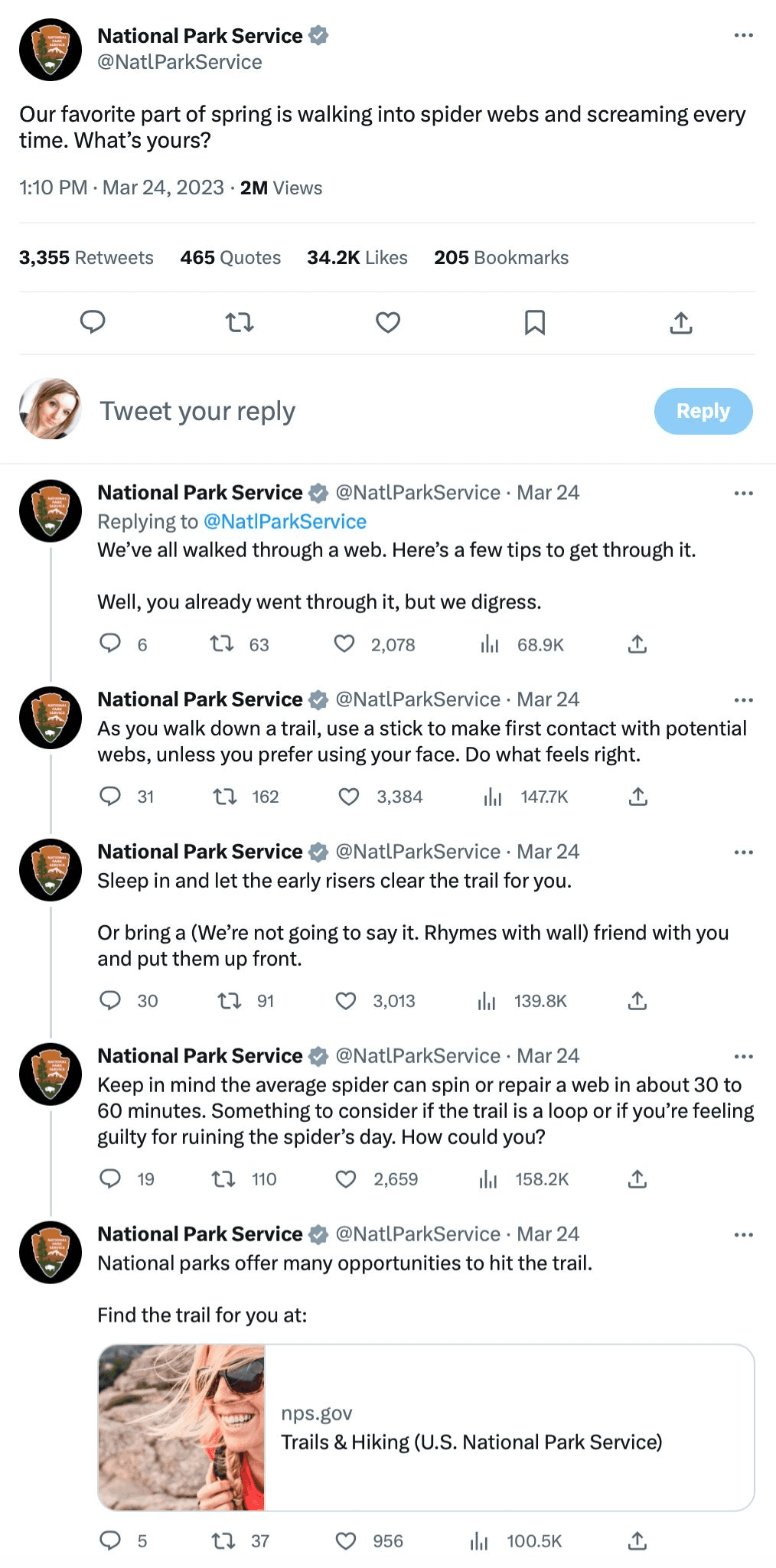
The first 15–60 minutes after posting are critical. X watches how fast users interact with your post, especially through replies, reposts, and profile visits.
Strong early signals include:
Multiple replies from different users
Reposts without quotes
Users clicking your profile
Time spent reading the post
If engagement happens quickly, the algorithm assumes broader interest and expands reach.
Content Formats That Go Viral
Certain formats consistently outperform others on X. Short, clear posts with a strong opinion tend to spread faster than neutral statements.
High-performing formats include:
Contrarian opinions
Clear lessons or insights
Step-by-step threads
Personal stories with takeaways
Before-and-after results
Posts that make readers think “I agree,” “I disagree,” or “I need to reply” are more likely to go viral.
The Role of Replies and Conversations
Replies are one of the strongest viral drivers on X. When users reply, the post is resurfaced to new audiences, increasing impressions.
Posts that ask a question, invite debate, or challenge assumptions naturally generate more conversation. Even disagreement can fuel virality, as long as the discussion stays active.
Accounts that regularly engage in replies also increase the visibility of their own posts over time.
Timing, Frequency, and Consistency
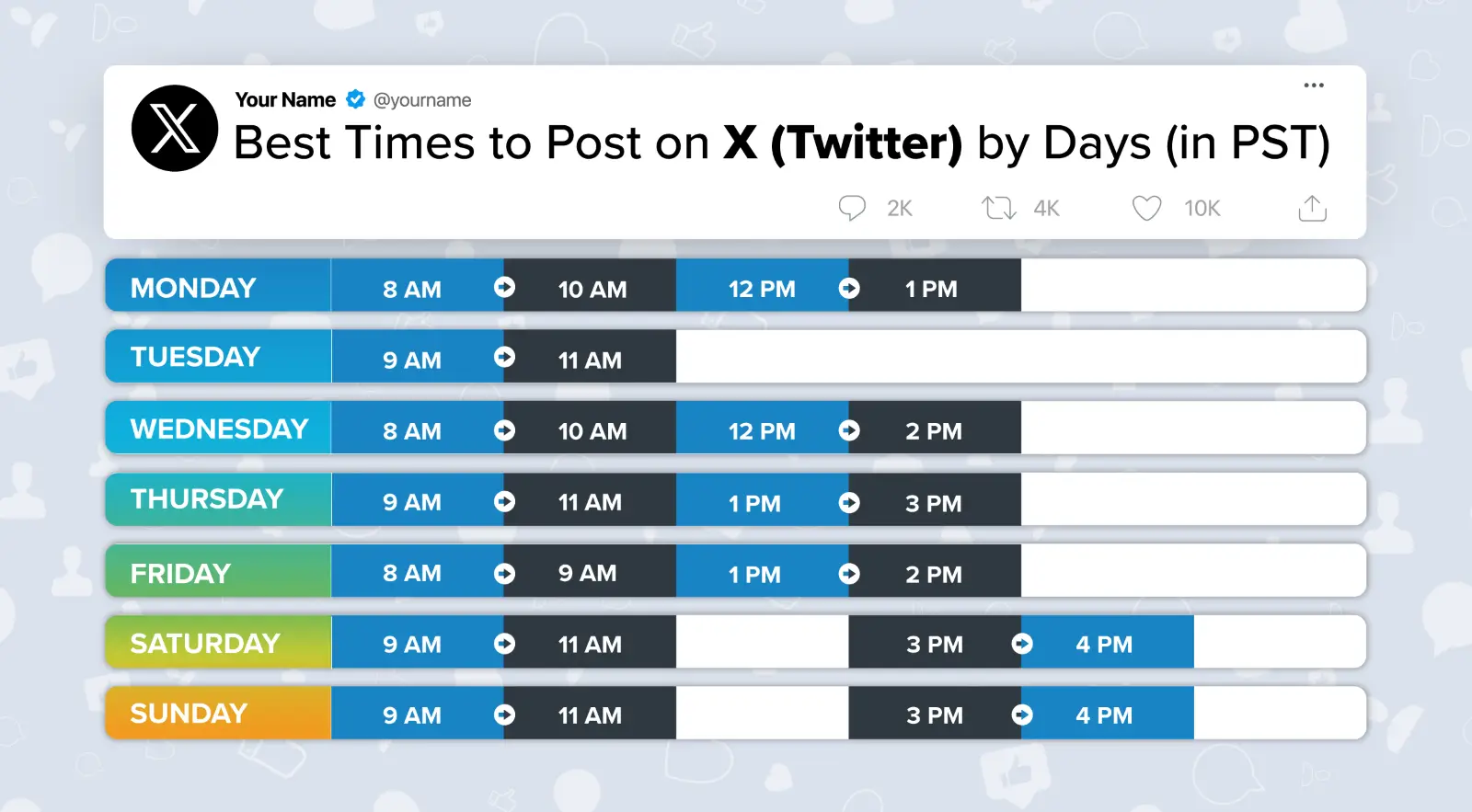
Timing affects early engagement. Posting when your audience is active increases the chance of immediate interaction.
General best practices include:
Posting during peak hours for your niche
Maintaining consistent daily or near-daily posting
Avoiding large gaps between posts
Consistency builds algorithmic trust. Accounts that post regularly are more likely to have their content tested with larger audiences.
Why Most Posts Don’t Go Viral
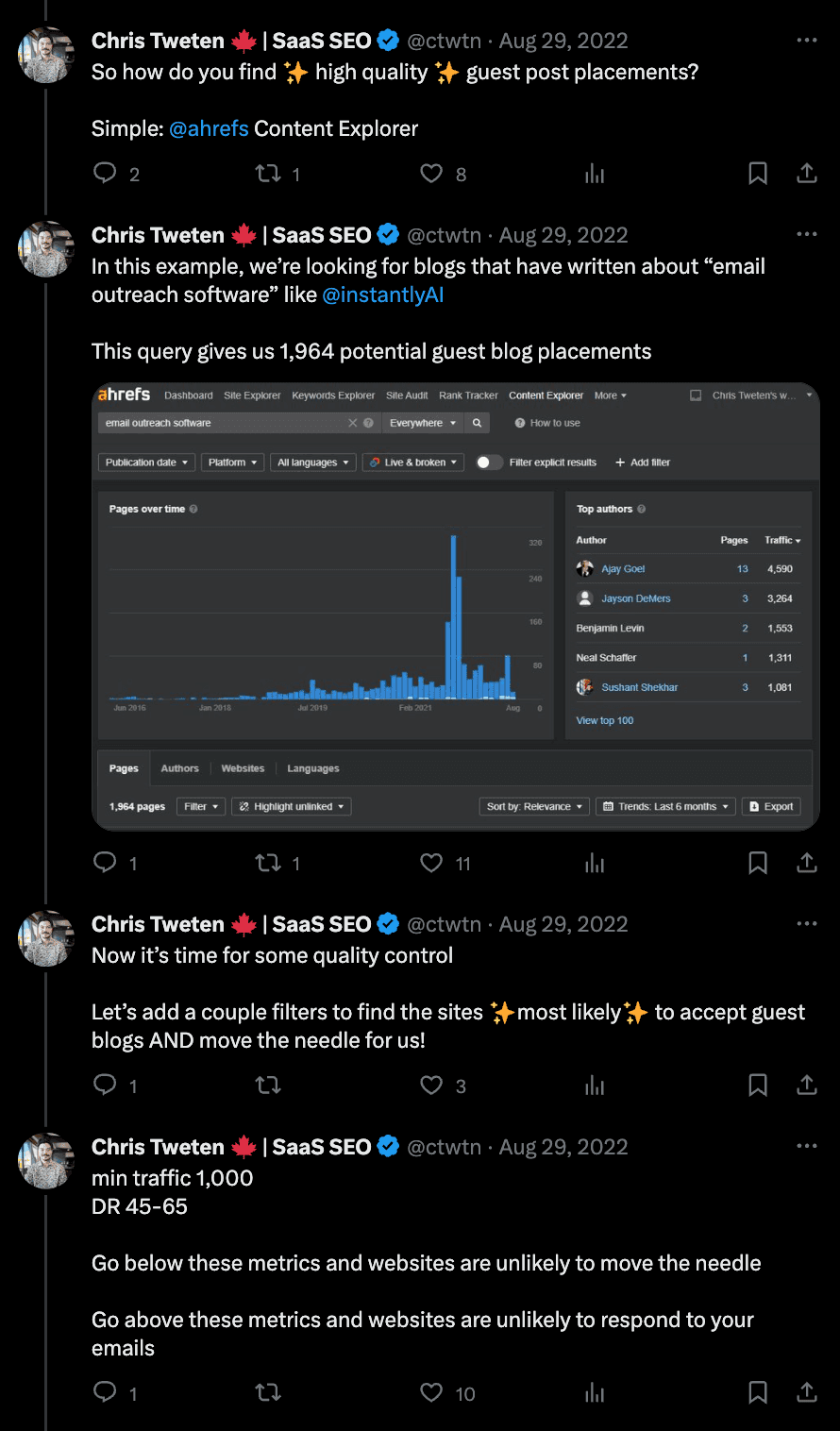
Most posts fail because they lack a clear hook or reason to engage. Posts that are vague, overly promotional, or purely informational often get ignored.
Another common issue is poor positioning. Even great ideas fail if they aren’t packaged in a way that sparks curiosity or emotion.
Virality is not random. It’s the result of clarity, timing, and engagement mechanics aligning correctly.
FAQ
Do you need a lot of followers to go viral on X?
No. Small accounts can go viral if engagement velocity is strong.
Are likes important for virality?
Likes help, but replies and reposts matter more.
Do hashtags help posts go viral?
Minimal impact. Content quality and engagement matter far more.
Can threads go viral more easily than single posts?
Threads often perform better for deeper topics, but single posts can spread faster.