Social Media Guide
Jan 30, 2026
How the X (Formerly Twitter) Algorithm Works
Learn how the X (formerly Twitter) algorithm ranks posts, what signals matter most, and how creators can optimize content for reach, engagement, and consistent growth.
Jump To
What the X Algorithm Is Designed to Do
The algorithm on X (Twitter) is designed to keep users engaged by showing them content they are most likely to read, interact with, or reply to. Rather than simply displaying posts in chronological order, the platform prioritizes relevance and interaction.
Its primary goal is not to reward large accounts, but to surface posts that spark conversation and keep users on the platform longer. This is why smaller accounts can still achieve high reach when engagement signals are strong.
How Posts Are Ranked in the Feed
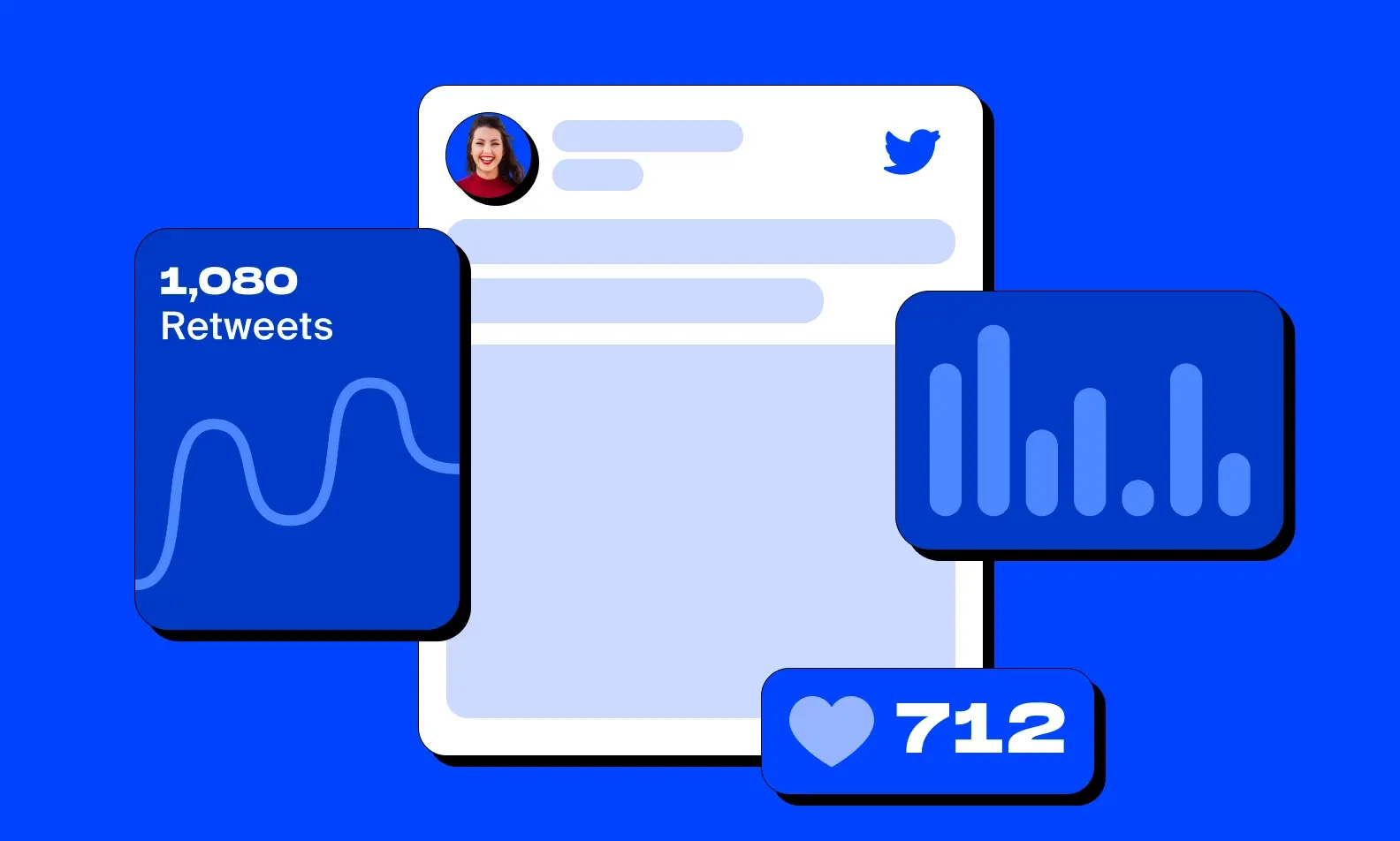
When a post is published, X initially shows it to a small test audience. This audience is typically made up of followers and users who have interacted with similar content in the past.
If the post performs well with this initial group, the algorithm expands its reach to additional users through home feeds, recommendations, and reply threads. If engagement is weak, distribution slows quickly.
This testing-and-expansion system allows the platform to evaluate content quality in real time.
Engagement Signals That Matter Most
Not all engagement is treated equally. While likes still play a role, the algorithm places more weight on actions that indicate deeper interest.
The strongest signals include:
Replies from multiple users
Reposts without quotes
Profile clicks
Time spent reading the post
Posts that trigger meaningful interaction are more likely to be distributed beyond the author’s follower base.
The Role of Replies, Reposts, and Dwell Time
Replies are one of the most powerful drivers of reach. Each reply can resurface a post in new feeds, extending its lifespan far beyond the initial publish window.
Dwell time, or how long users pause to read a post, also matters. Even without likes or replies, longer reading time signals relevance to the algorithm.
Reposts amplify reach by exposing content to entirely new audiences, especially when reposted by accounts with established engagement histories.
How Consistency and Account History Affect Reach
The algorithm evaluates accounts over time. Profiles that post consistently, stay within a clear niche, and avoid spam-like behavior tend to receive more reliable distribution.
Account history also matters. Accounts with repeated violations, excessive link posting, or low-quality engagement may see reduced reach. On the other hand, accounts that regularly spark conversation build algorithmic trust.
Consistency does not mean posting constantly. It means posting predictably and with intent.
Common Myths About the X Algorithm
One common myth is that only large accounts can go viral. In reality, many viral posts originate from smaller profiles with strong hooks and early engagement.
Another misconception is that hashtags drive reach. While hashtags can help categorize content, they play a minor role compared to engagement velocity and conversation depth.
Finally, shadowbanning is often blamed for low reach, but most performance issues stem from weak engagement signals rather than hidden penalties.
FAQ
Does follower count affect how the algorithm ranks posts?
Follower count helps with initial exposure, but engagement determines long-term reach.
Are links penalized by the algorithm?
External links can reduce engagement, which indirectly limits reach, but they are not automatically penalized.
How long does the algorithm test a post?
The most important window is the first 15–60 minutes, though posts can resurface later through replies.
Is posting more often better for growth?
Quality and consistency matter more than high posting frequency.